Ultimate Guide to High-Quality IPTV Channels in 2026: 4K & Beyond
Published on January 29, 2026 • 13 min read
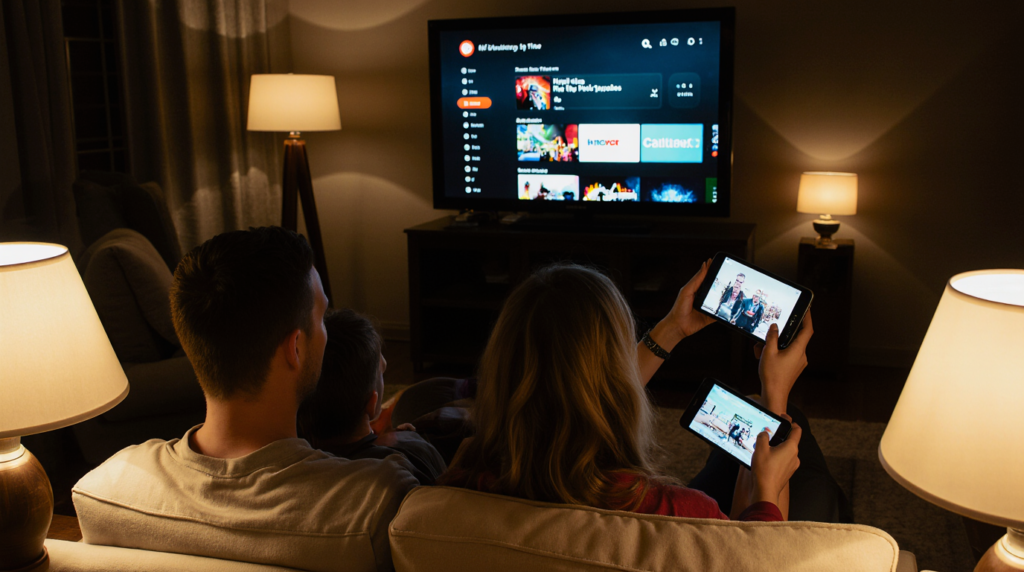
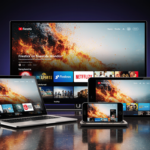
Television has undergone a massive transformation over the last decade. Many households are moving away from traditional cable and satellite systems in favor of internet-based solutions. This shift is primarily driven by the desire for high-quality IPTV channels that offer more flexibility and better resolution.
Internet Protocol Television (IPTV) allows users to stream content directly through a high-speed connection. Unlike older broadcast methods, this technology provides a customized viewing experience that adapts to your specific hardware. Finding the right provider is the first step toward achieving a theater-like experience in your living room.
To ensure your setup is ready for modern demands, checking your broadband performance is an absolute necessity. High-definition content requires a stable and robust data flow to prevent interruptions. Most premium services now offer a variety of resolutions to suit different internet speeds and device capabilities.
Table of Contents
What Exactly are High-quality IPTV channels?
Section Summary: An overview of what defines quality in the digital streaming age, focusing on resolution, stability, and delivery methods.
Understanding the core components of a premium stream helps you make informed purchasing decisions. High-quality IPTV channels are characterized by their ability to maintain high bitrates without sacrificing server stability. These channels are often delivered via private content delivery networks (CDNs) to reduce latency and lag.
Most viewers define quality by the visual clarity of the image on their screen. However, audio fidelity and the speed of the electronic program guide (EPG) are equally important factors. A top-tier service will provide a seamless interface that feels as responsive as a high-end smartphone application.
The digital media landscape is constantly evolving as new tech breakthroughs change how we interact with our screens. Modern IPTV services leverage these advancements to offer features like “Catch-up” and “Multi-screen” viewing. These tools allow you to watch your favorite shows whenever and wherever you choose.
The Anatomy of a High-quality IPTV channels Stream
The visual data you see is compressed into packets and sent across the web. Premium providers use advanced encoding techniques to ensure these packets arrive in the correct order. This process minimizes “ghosting” or pixelation during fast-moving scenes, which is vital for live sports fans.
Resolution: Ranging from standard HD to stunning 4K and 8K.
Frame Rate: 60 frames per second (fps) is the standard for smooth motion.
Audio: Support for Dolby Digital and surround sound formats.
Uptime: Maintaining a connection 99.9% of the time during peak hours.
Technical Standards of High-quality IPTV channels
Section Summary: A technical breakdown of the bitrates, compression standards, and server infrastructures used by elite providers.
To truly appreciate high-quality IPTV channels, you must understand the underlying technology. The bitrate is the amount of data processed over a specific amount of time, usually measured in Mbps. Higher bitrates generally lead to better image quality because more detail is preserved during the transmission process.
Most premium 4K channels require a consistent bitrate of at least 25 Mbps. If a provider offers 4K content at a low bitrate, the image will often look “muddy” or soft. Always look for services that transparently list their streaming specifications to ensure you get what you pay for.
The industry is also focusing on content protection and standards to ensure legal and high-fidelity distribution. These standards protect both the creators and the consumers by ensuring the integrity of the digital file. Using verified sources helps guarantee that your hardware is processing a clean, high-resolution signal.
Bitrates and Resolution Comparison
A high-resolution screen alone is not enough to guarantee a great picture. If the source material is poor, the 4K television will simply display a larger version of a low-quality image. This is why the source bitrate of high-quality IPTV channels is the most critical metric for enthusiasts.
Resolution
Recommended Bitrate
Best Use Case
720p (HD)
3 – 5 Mbps
Mobile devices and small tablets
1080p (Full HD)
8 – 12 Mbps
Standard home television sets
4K (UHD)
25 – 50 Mbps
Large screens and home theaters
8K (FUHD)
80 – 100+ Mbps
Next-generation displays
The Importance of H.265 (HEVC) Compression
High Efficiency Video Coding (HEVC), also known as H.265, is the advanced video compression standard that has made 4K streaming practical for average households. As video resolutions continue to increase, the data required to deliver smooth playback grows rapidly. HEVC solves this problem by compressing video files up to twice as efficiently as the older H.264 standard, while maintaining excellent visual clarity. This efficiency is especially important for High-quality IPTV channels, which rely on stable performance and consistent image quality.
By using less bandwidth, HEVC allows High-quality IPTV channels to deliver ultra-high-definition content without constant buffering or long load times. Viewers benefit from sharper images, better color depth, and smoother motion, even on moderate internet connections. At the same time, service providers can stream High-quality IPTV channels more reliably while reducing network congestion and operating costs.
HEVC achieves these improvements through advanced encoding techniques such as better motion prediction, larger coding units, and more precise data compression. These features help preserve fine details in fast-moving scenes, which is essential for sports, movies, and live broadcasts on High-quality IPTV channels.
Today, HEVC is supported by most modern smart TVs, streaming devices, and mobile hardware. Thanks to this widespread adoption, High-quality IPTV channels can reach more households than ever before, delivering premium viewing experiences without demanding excessive bandwidth or expensive internet plans.
How to Select the Best High-quality IPTV channels Provider
Section Summary: A practical guide to vetting providers based on content, customer support, and trial periods.
Choosing a provider can be overwhelming due to the sheer number of options available online, many of which look similar at first glance. The key is to focus on quality and reliability rather than flashy marketing claims. Start by evaluating the channel lineup: a strong service should offer a wide and well-organized selection of high-quality IPTV channels, covering multiple regions and categories. This typically includes local and national news, entertainment, movies, kids’ programming, and international sports. A diverse catalog not only adds value but also indicates that the provider has invested in solid infrastructure and content partnerships.
Customer support is another critical factor that separates mediocre services from truly premium ones. Even the best IPTV service can encounter occasional issues, so responsive and knowledgeable support makes a huge difference. Reputable providers usually offer 24/7 technical assistance through live chat, email, or ticket systems, ensuring help is available when you need it most. Beyond direct support, they should also maintain a detailed knowledge base with setup guides, troubleshooting tips, and tutorials tailored to different devices and apps. This level of documentation shows professionalism and a commitment to long-term customer satisfaction.
Before committing to any long-term plan, it’s essential to test the service firsthand. Never subscribe for months or a year without trying a trial version first. Most reputable IPTV providers offer 24-hour or 48-hour trials, sometimes free and sometimes for a small fee. This trial period gives you the chance to assess stream quality, channel loading times, and overall stability. Pay special attention to performance during peak viewing hours, such as weekend evenings, when servers are under the most strain. If the high-quality IPTV channels remain smooth and reliable during these busy times, it’s a strong sign that the service can be trusted for regular use.
Red Flags to Avoid When Shopping
If a deal seems too good to be true, it likely is. Services that promise “lifetime” subscriptions for a one-time low fee are often unreliable or short-lived. Stick to monthly or annual plans that show the provider is reinvesting in their server infrastructure.
No Trial Option: Providers who hide their quality until you pay.
Poor Website Design: Reflects a lack of professionalism and technical care.
No EPG Support: Makes it nearly impossible to navigate hundreds of channels.
Lack of Updates: A service that doesn’t regularly update its channel list will eventually fail.
Hardware Requirements for Streaming High-quality IPTV channels
Section Summary: Deep dive into the best streaming boxes, routers, and cables needed for a buffer-free 4K experience.
Your streaming experience is only as good as the hardware you use, and this is where many setups quietly fall short. While many modern Smart TVs include built-in streaming apps, those apps often run on limited hardware that’s designed more for convenience than performance. Dedicated streaming boxes, by contrast, are built specifically for media playback and usually deliver a smoother, more reliable experience. Devices like the Nvidia Shield or the latest Firestick Max are engineered to handle high-quality IPTV channels with ease, supporting higher resolutions, better codecs, and more consistent frame rates.
One of the biggest advantages of dedicated devices is their superior internal hardware. Faster processors and increased RAM allow them to decode high-bitrate video streams without stuttering or buffering, even during fast-moving scenes or live broadcasts. Many of these devices also feature better thermal design, which helps prevent overheating and performance throttling during long viewing sessions. To get the most out of any streaming box, it’s important to keep the device’s firmware and apps updated, as updates often include performance improvements, bug fixes, and better compatibility with newer video formats.
Networking hardware is the often-overlooked hero of a great streaming setup. Even the most powerful streaming device can struggle if it’s paired with a weak or outdated router. A high-quality router can manage traffic more intelligently, prioritizing video streams so downloads, gaming, or video calls don’t interrupt your show. Features like Quality of Service (QoS), dual-band or tri-band support, and modern Wi-Fi standards can make a noticeable difference in stability.
For the most consistent performance, a wired connection still beats wireless. Using an Ethernet cable instead of Wi-Fi is the single best way to stabilize high-quality IPTV channels, especially for 4K or high-bitrate streams. A wired connection reduces interference, lowers latency, and delivers steady speeds, helping ensure that what you see on screen matches the quality the content is meant to provide.
Top Recommended Devices for 2026
Choosing the right device depends on your budget and your technical expertise. Some devices are “plug-and-play,” while others allow for extensive customization. Here are the top contenders for managing high-quality IPTV channels efficiently:
Nvidia Shield TV Pro: The gold standard for Android-based streaming and 4K upscaling.
Apple TV 4K: Known for its extremely smooth user interface and privacy features.
Amazon Fire TV Stick 4K Max: An affordable yet powerful option for most casual viewers.
Formuler Z11 Pro Max: A specialized IPTV box with a focus on dedicated streaming apps.
The Impact of HDMI Cables on Image Quality
Not all HDMI cables are created equal—especially when you’re dealing with high-resolution content like 4K or even 8K streams. Many older or low-spec HDMI cables were designed years ago, when bandwidth demands were far lower. As a result, they can struggle to carry today’s data-heavy video and audio signals reliably. When pushed beyond their limits, these cables may cause visible problems such as screen flickering, random dropouts, color banding, audio desynchronization, or brief signal loss—issues that are especially noticeable when streaming high-quality IPTV channels.
These problems are often misattributed to the streaming service or internet connection, when in reality the HDMI cable is the weak link in the chain. High-bitrate video, HDR content, and advanced audio formats require a cable that can handle sustained data transfer without errors. If the cable can’t keep up, the signal degrades before it even reaches your TV, no matter how good the source device or stream quality is.
To avoid these issues, it’s important to use an HDMI cable that meets modern standards. An HDMI 2.1 cable provides significantly higher bandwidth, making it capable of supporting ultra-high resolutions, higher refresh rates, dynamic HDR, and advanced audio formats like Dolby Atmos without compromise. Even if you’re not currently streaming in 8K, using a higher-spec cable ensures compatibility with 4K HDR content and future-proofs your setup as streaming technology continues to evolve.
In short, the right HDMI cable helps ensure a clean, stable connection between your streaming device and display. By upgrading to a modern, certified HDMI 2.1 cable, you can eliminate a common source of streaming issues and enjoy smoother playback, sharper visuals, richer colors, and clearer sound—fully experiencing the quality your IPTV setup is capable of delivering.
Troubleshooting Your High-quality IPTV channels Setup
Section Summary: Step-by-step solutions for fixing common issues like freezing, audio sync, and app crashes.
Even with the best provider, you may occasionally run into technical hurdles. The most common issue reported by users is buffering or “looping” during a live stream. This is often caused by a temporary drop in internet speed or an overloaded local network.
A quick way to resolve most issues is to perform a “power cycle” on your equipment. This involves unplugging your router and streaming device for 30 seconds before restarting them. This simple act clears the cache and establishes a fresh connection for your high-quality IPTV channels.
If the problem persists, it may be due to ISP throttling, where your provider slows down your connection. Internet Service Providers (ISPs) sometimes limit speeds for high-bandwidth activities like streaming. Using a reputable VPN can often bypass these restrictions and restore your stream’s full quality.
“A stable stream is the result of a perfect harmony between server-side reliability and local-side optimization.” — Tech Insider Quarterly
Frequently Asked Questions (FAQ)
Question : How much internet speed do I need for High-quality IPTV channels?
Answer: For a standard HD experience, 10 Mbps is sufficient. However, for a true 4K experience with high-bitrate high-quality IPTV channels, you should have a minimum of 25-50 Mbps available specifically for the streaming device.
Question : Can I use one subscription on multiple devices at once?
Answer: This depends entirely on your provider’s policy. Many premium services offer multi-room or multi-connection plans. Always check the “number of connections” allowed before purchasing a package for high-quality IPTV channels.
Question : Why does my IPTV stream lag during live sports?
Answer: Live sports events attract huge numbers of concurrent viewers, which can stress even the best servers. High-quality providers mitigate this by using load-balancing technology. Ensure your app is updated to the latest version to handle these spikes effectively.
Conclusion
Television has undergone a massive transformation over the last decade, reshaping how audiences consume media across the globe. Traditional cable and satellite subscriptions, once the default choice for home entertainment, are steadily being replaced by flexible, internet-based solutions. This shift is largely fueled by consumer demand for high-quality IPTV channels that deliver sharper visuals, greater customization, and on-demand convenience without the limitations of rigid broadcast schedules.
Internet Protocol Television (IPTV) allows users to stream live TV channels and on-demand content directly over a broadband internet connection. Unlike legacy broadcast methods that send the same signal to every viewer, IPTV adapts dynamically to individual devices, screen resolutions, and network conditions. This personalized delivery model enables smoother playback, faster navigation, and superior picture quality. Finding the right IPTV provider is often the defining step toward achieving a theater-like viewing experience within your own living room.
Before making the transition, it is essential to ensure your home network can handle modern streaming demands. High-definition and ultra-high-definition content require stable bandwidth and low latency to avoid buffering and visual artifacts. Most premium IPTV services now offer multiple resolution options—ranging from HD to 4K and even experimental 8K—to accommodate different internet speeds and hardware capabilities. Understanding these options helps users strike the right balance between quality and performance.