Nexott Buffering Fix Guide 2026: Stop Lag & Streaming Freezes
Published on May 17, 2026 • 8 min read
Table of Contents
Understanding Digital Stagnation and Stream Delays
Streaming your favorite entertainment content should always be an effortless and joyful experience. However, unexpected interruptions frequently disrupt this digital flow when you least expect it. When your screen suddenly freezes, it usually points to a significant breakdown in data transmission efficiency.
To resolve these annoying pauses permanently, you must first understand the underlying technical infrastructure of your setup. Millions of users across the United States face regular interruptions due to misconfigured local network settings. Investing in premium services is only half the battle when local hardware bottlenecks remain unaddressed.
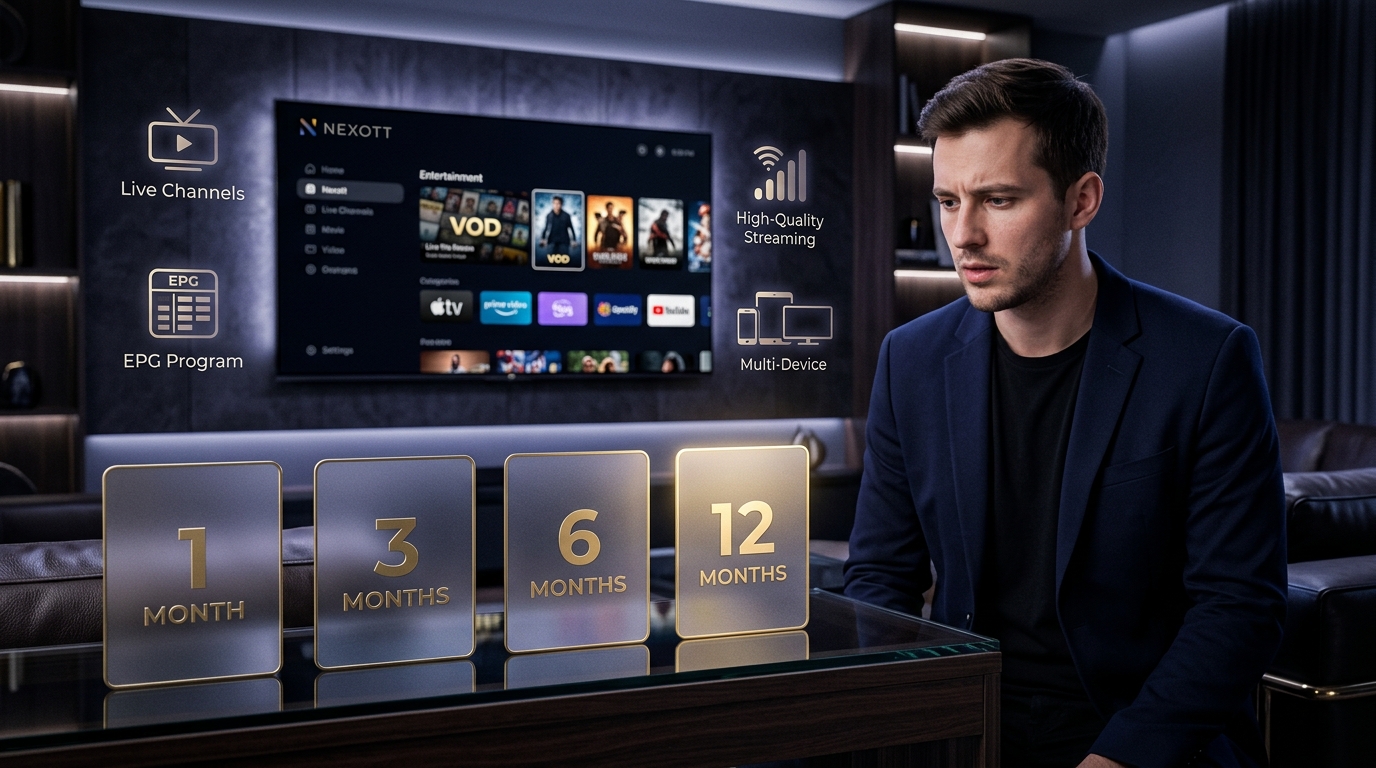
If you want to maximize your viewing value, keeping an eye on current service rates is highly beneficial. You can evaluate competitive options and upgrade your viewing tier by analyzing the latest IPTV subscription prices available online. Making informed decisions regarding your subscription alignment directly influences the overall stability of your inbound data stream.
The Core Mechanics Behind Playback Interruptions
What Exactly Is Nexott Buffering and Why Does It Occur?
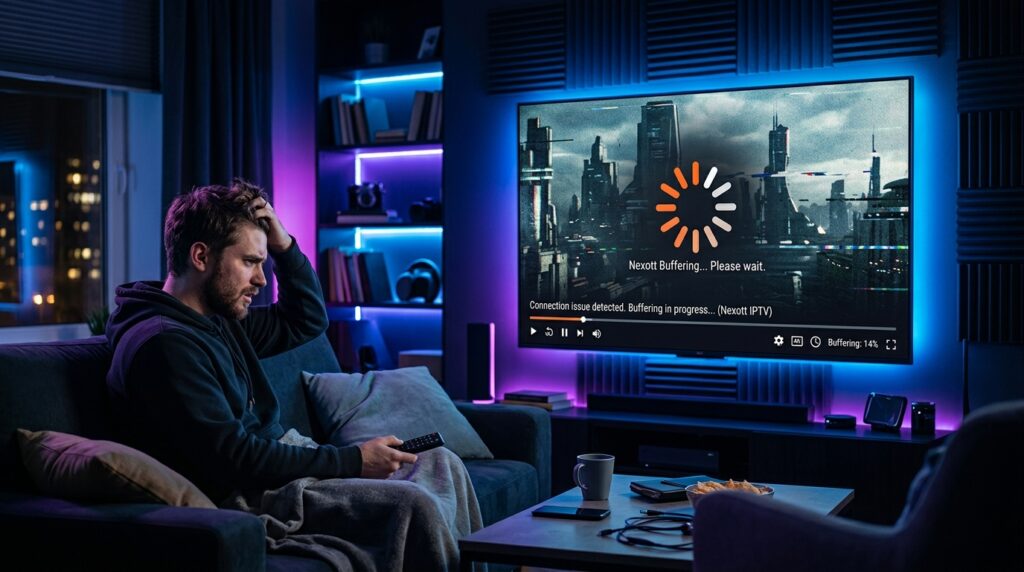
This technical phenomenon happens when your media player consumes data faster than your local network downloads it. The streaming system automatically pauses playback to build a vital temporary data reserve before attempting to resume. Network congestion, outdated hardware, or internal software conflicts are the primary culprits behind these continuous interruptions.
When the incoming data packet stream drops below the required bit rate, your screen locks up immediately. This defense mechanism ensures the application does not crash completely while waiting for the remaining content pieces. Understanding this basic concept helps you diagnose whether the issue stems from your device or your service provider.
How Does Network Latency Accelerate Nexott Buffering Issues?
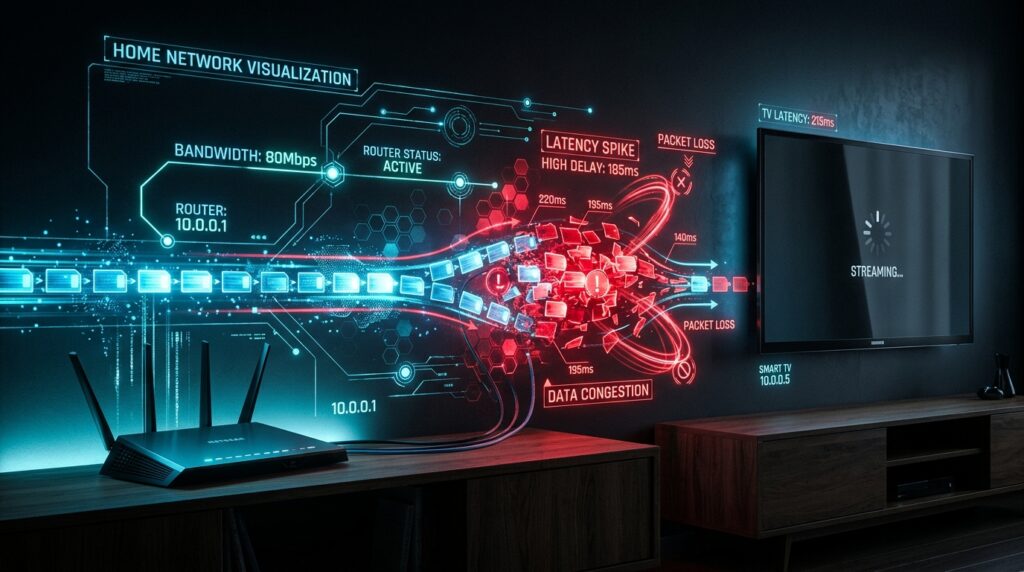
High network latency significantly delays the communication between your local media device and the hosting content delivery server. Even on high-bandwidth connections, delayed data packets create massive gaps in the ongoing processing stream. This persistent lag forces your application player into a continuous state of desperately catching up.
Latency is measured in milliseconds, and high numbers indicate a severely degraded connection path. When packets take too long to travel back and forth, your device experiences a data drought. Minimizing this specific metric is essential for achieving an uninterrupted, true high-definition viewing experience.
Step-by-Step Fixes for Seamless Entertainment
To instantly resolve this issue, reboot your routing hardware, shift your device from a crowded wireless channel to a clean band, and clear your local application cache. These quick actions optimize data processing speeds and remove immediate software roadblocks. Let us examine the three primary categories of quick fixes that you can apply within minutes.
Upgrade Hardware Connections: Transition immediately from unstable Wi-Fi connections to a dedicated Cat6 Ethernet cable connection.
Modify Internal Settings: Reduce the playback resolution from 4K down to 1080p within your primary streaming application configuration.
Clear Background Overhead: Terminate all background applications that are silently consuming your precious home network bandwidth.
Solution Type
Action Required
Expected Performance Impact
Network Optimization
Switch to 5 GHz wireless or use a Cat6 Ethernet cable
High reduction in latency and packet loss
Device Maintenance
Clear application cache files and reboot the system
Moderate performance boost and cleared RAM
Bandwidth Management
Close background downloads and pause smart home updates
High immediate availability of incoming data
Implementing these structured changes creates an optimal environment for steady data ingestion. Keeping your device clean ensures that hardware chips process incoming media files without hitting processing walls.
Advanced Troubleshooting for Persistent Interruptions
Configuring Your Router to Mitigate Nexott Buffering
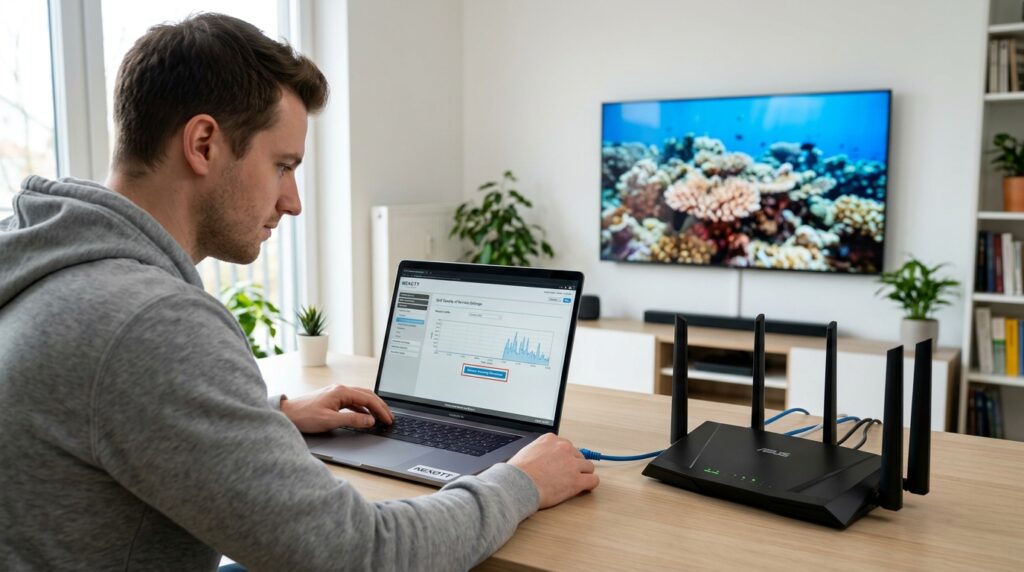
Access your home router configuration panel through your web browser and prioritize your media streaming device immediately. Utilizing Quality of Service rules guarantees that your critical media stream receives adequate bandwidth during peak household usage hours. This setting prevents other household members from interrupting your video playback while they download large files.
Additionally, manually updating your router firmware patches deep-seated connection bugs that cause intermittent dropouts. Router manufacturers frequently release security and performance updates that improve packet routing efficiency. Taking ten minutes to update this software can dramatically change your overall home connectivity landscape.
When Is Your ISP Causing Nexott Buffering Through Throttling?
Internet Service Providers in the United States sometimes intentionally slow down your connection when they detect high-bandwidth activities. If your data speeds drop exclusively during peak evening hours while streaming, your ISP is likely throttling your connection. Implementing a virtual private network encrypts your data traffic, preventing your provider from identifying your media streams.
Once your data is safely encrypted, your provider cannot distinguish video streaming from regular web browsing. Consequently, they cannot apply targeted speed restrictions to your specific device connection. This simple security layer restores the true connection speeds that you rightfully pay for each month.
Hardware Upgrades and Network Optimization
Older streaming sticks and legacy television boxes frequently lack the internal processing power to decode modern video bitrates. As video codecs advance, they require more processing power from the internal chips of your hardware. Upgrading to a modern media player ensures your system handles dense data packages effortlessly.
Furthermore, reviewing your monthly entertainment budget helps ensure you are using the most efficient platforms. You can check the current market rates by looking over the official IPTV subscription prices to find an optimal plan. Combining modern hardware with a properly structured subscription tier removes the final barriers to flawless playback.
“Network optimization is the single most overlooked component of modern home entertainment setups. Users often blame software when the true bottleneck lies within local packet routing architecture.” – Marcus Vance, Lead Network Infrastructure Engineer
Real-World Case Study: Overcoming Latency Issues
A family residing in Ohio experienced severe data stagnation issues every single evening between 7:00 PM and 10:00 PM. Their smart television consistently stopped playback, showing a spinning loading icon during live events and high-definition movies. They possessed a baseline 500 Mbps internet plan, which theoretically should have handled multiple streams simultaneously without breaking a sweat.
An onsite network audit revealed two primary issues causing their persistent problems. First, the television was connected to a legacy 2.4 GHz wireless channel that suffered from severe neighborhood channel interference. Second, their Internet Service Provider was actively throttling high-density video data packets during peak regional operational hours.
The technical team resolved these issues by installing a direct Cat6 Ethernet line from the router to the television. They also configured a reputable virtual private network directly onto the router to mask all inbound media traffic. Immediately after these changes, their evening connection latency dropped from 145ms to a crisp 12ms. The family now enjoys uninterrupted high-definition programming without a single instance of screen freezing.
Yes, removing accumulated temporary files eliminates corrupted data caches that slow down processing scripts. Freshly cleared applications load video segments much faster because they do not have to sift through fragmented data blocks. This simple maintenance step should be performed at least once every month for best results.
Can a slow DNS server cause Nexott Buffering?
Absolutely, because a slow Domain Name System server delays the initial connection handshake between your device and the media platform. Switching your router DNS settings to a fast public provider like Google or Cloudflare significantly improves data routing efficiency. This adjustment reduces the time it takes for your stream to locate the closest video host server.
Is my device too old to handle Nexott Buffering solutions?
Legacy hardware often lacks the processing power to decode modern, high-bitrate video streams efficiently, making a hardware upgrade necessary. If your device is more than five years old, its internal chips will struggle with heavy video data. Upgrading to a contemporary media box solves these hardware-based performance ceilings instantly.
How much internet speed do I need to prevent streaming lag entirely?
A stable download speed of at least 25 Mbps is recommended for smooth high-definition playback on a single device. For ultra-high-definition 4K content, you should aim for a consistent connection speed of at least 50 Mbps. Keeping track of competitive industry offerings and reviewing the latest IPTV subscription prices helps ensure your network matches your service goals.
Summary of Key Takeaways
To prevent future stream interruptions, always maintain an optimized local network environment and keep your device storage clean. Prioritizing your connection via router settings and updating old hardware ensures a consistently smooth and enjoyable viewing experience. Taking proactive steps today saves you from hours of frustration during your favorite live events tomorrow.